
The other kind of care: Volunteering with Tshemba at Tintswalo Hospital
There were many things that surprised me about working at Tintswalo Hospital. The burden of disease from non-communicable diseases was one, the silence around death was another.
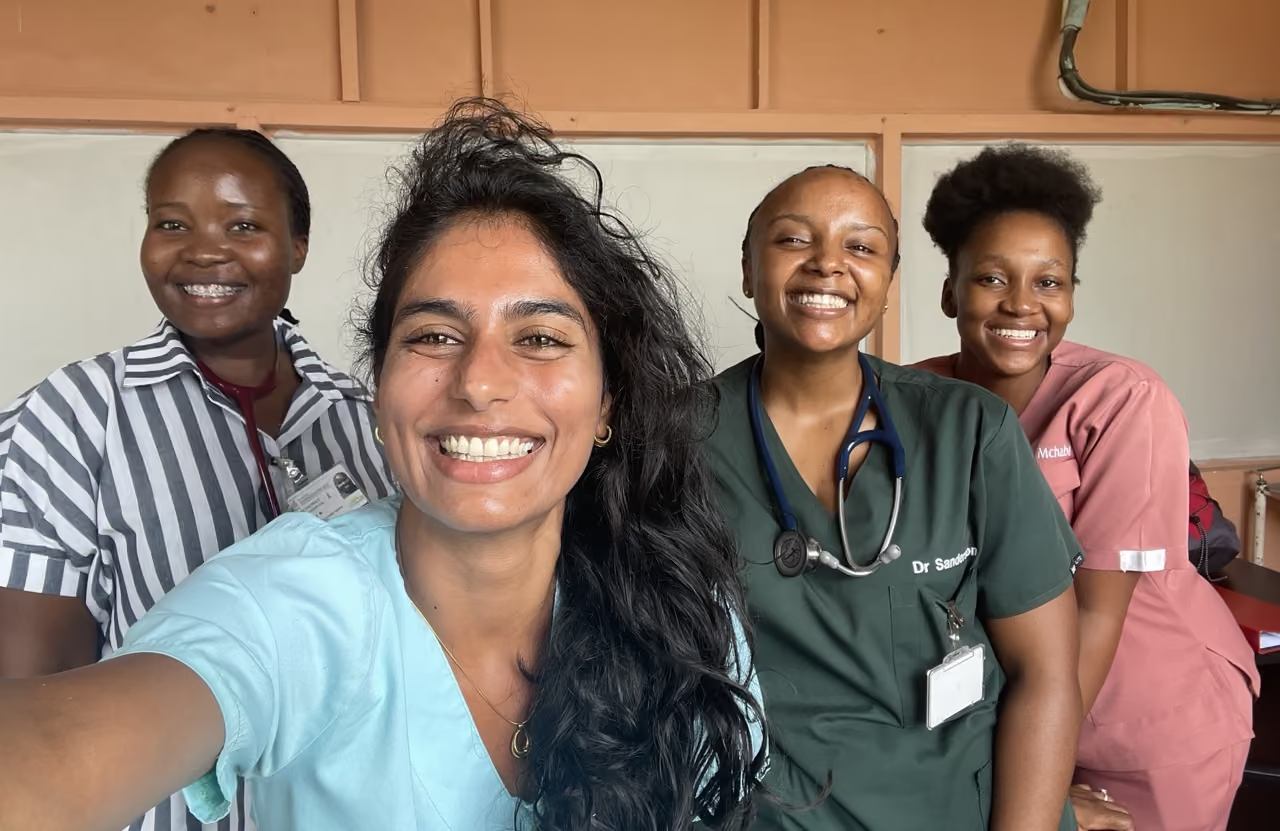
I spent eight weeks on the female medical ward, a 36-bed unit in a hospital that looks after more than300,000 people in Acornhoek, in the subtropical bushveld about half an hour from the Orpen Gate of Kruger. The ward carried a relentless burden of disease:diabetes, hypertension, chronic kidney disease, to name a few. People often arrived late, too unwell to be moved anywhere else. In the system I trained in, some of those stories might have ended differently. Here they didn't, and there wasn't always a way to change that for multiple reasons.
Death was a regular part of the week. What I didn't expect was how rarely anyone said so out loud.
The gap
On a ward where people died often, palliative care simply wasn't part of the routine. We would keep going with active treatment: IV fluids, nasogastric feeds, observations every few hours, long after it was clear a patient was dying. It wasn't because the staff didn't care; it was the opposite. Doing something felt like caring for patients and their families. Stopping felt like giving up, like not doing the job medical professionals were trained to do.
When I talked to the doctors and nurses, what came through wasn't indifference, it was uncertainty. Many of them had never worked alongside a senior clinician who modelled palliative care, so the decision to shift a patient towards comfort, how to manage symptoms, how to sit with a family and be honest: none of it had ever been shown. One senior nurse told me she held back on giving morphine because she was frightened it would stop the patient breathing. Underneath a lot of it sat the same quiet belief: that once you call a patient dying, there's nothing more to do. And without a palliative care consultant down the corridor to call, some of those decisions fell heavily, and there were moments of real loneliness in that.
Introducing Palliative Care
I knew from the beginning that small changes stick - more so than systemic ones in the short time I was there. I worked with the incredible doctors on the ward to do simple palliative care reviews together for patients in their last few days to weeks of life.Removing a urinary catheter that was only causing distress. Stopping routine observations on someone who was dying. Writing up morphine and midazolam in advance. Sitting a family down and being honest with them about the trajectory of their loved one.
The thing that landed best was a single reframe: palliation isn't giving up, it's a change of focus. Even when there's no reversible problem left to fix, there is still a lot of real clinical work to do; keeping someone comfortable, free of unnecessary lines and machines, with their family there and in the picture. The ward doctors usually already knew a patient was dying. What they were missing wasn't knowledge. It was the language to act on what they already knew.
Life outside the hospital
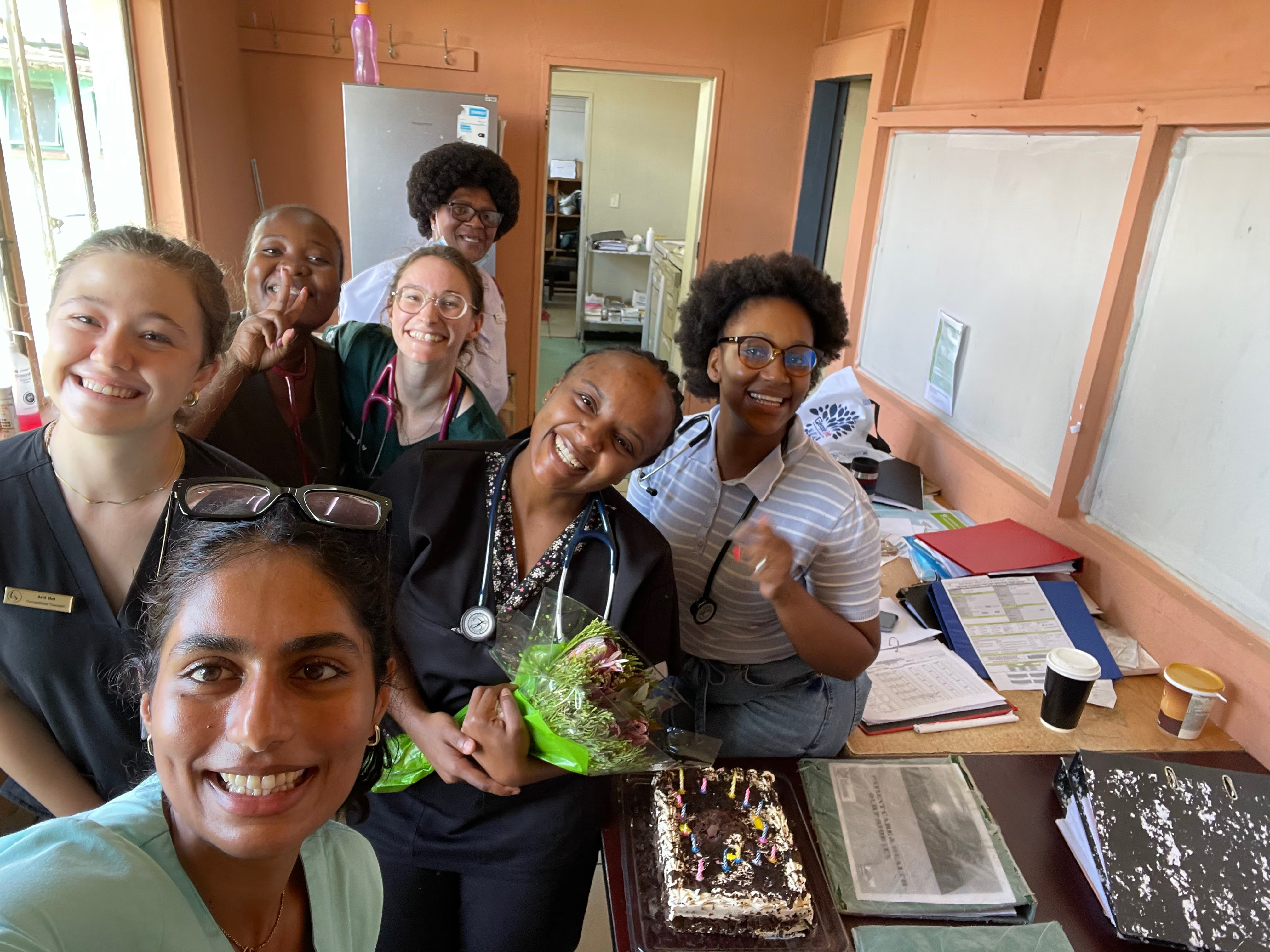
It would be a strange blog if I pretended the eight weeks were only about the ward. You live somewhere genuinely extraordinary — out in the bushveld, a short drive from Kruger, sharing meals and long evenings with other volunteers who've come from all over the world to do the same thing. After heavy days, that mattered more than I expected. Living on a game reserve, surrounded by the Big 5 and mountains, it takes you out of your head and creates space for reflection.
Final reflections
You will not fix the system in a few weeks. But you can leave an imprint by showing, patient by patient, that a different way of doing things is possible. You'll teach, and you'll learn so much in return. You'll work with local doctors and nurses who are doing extraordinary things with very little, and who stay long after you've flown home.
If you're thinking about volunteering and want to ask me anything, I'm happy to be contacted through Tshemba.
Dr Margi Patel
United Kingdom GP Trainee