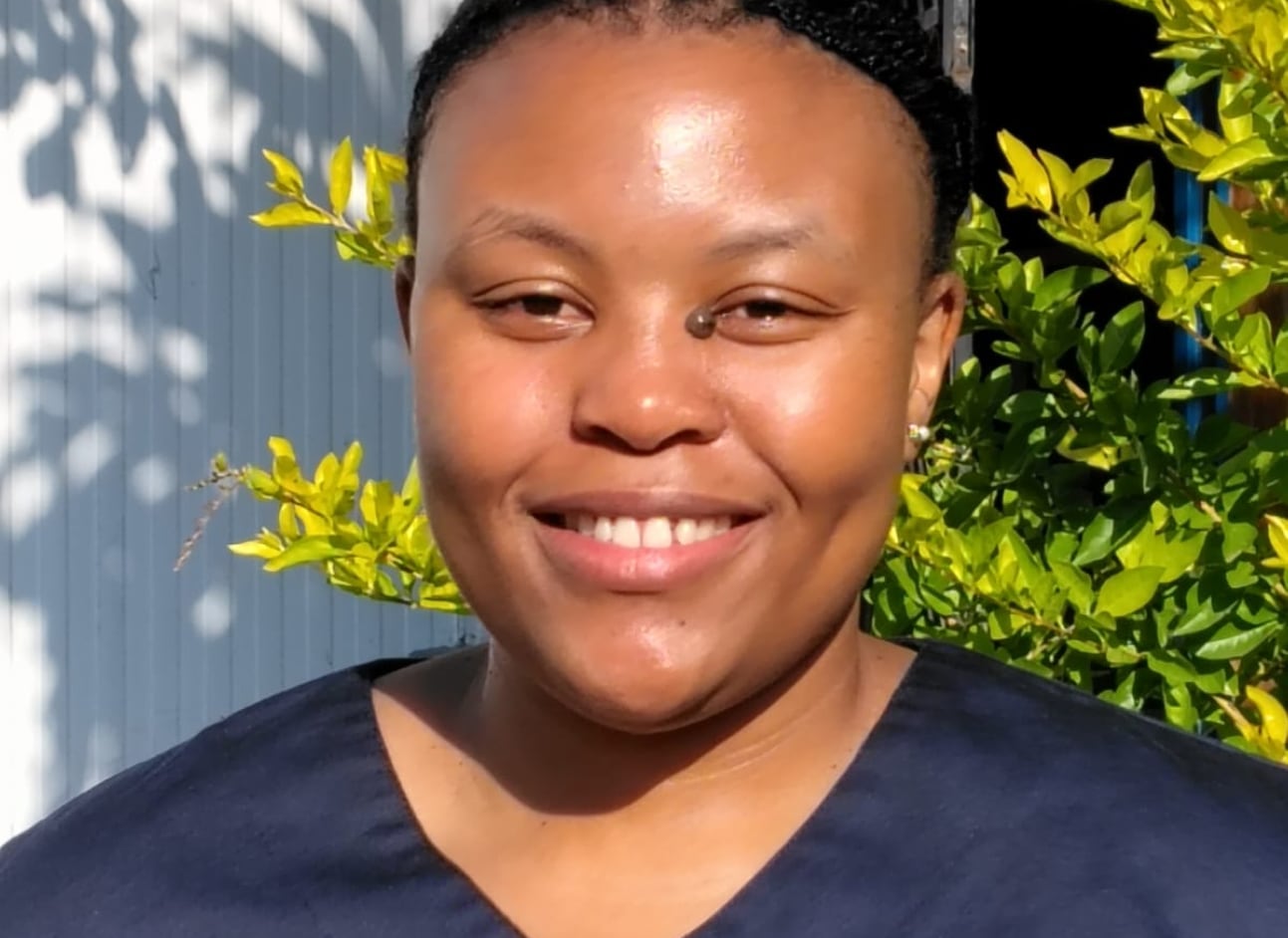

Hospital Care Meets Community Action: Noxolo’s SAM Register Project in Bushbuckridge
During Tuesday morning case reviews at Tintswalo Hospital, volunteer dietitian Noxolo began noticing something that troubled her: some children treated for Severe Acute Malnutrition (SAM) were returning to hospital after discharge.
“Once a case came up that was a readmission, I started wondering: how many readmissions do we actually have from the community once we've discharged, and why are they being re-admitted?” she recalls. “Once rehabilitation has been completed, they should be well on their way to recovery, so where is the gap?”
In Bushbuckridge, that question is especially important. According to the District Health Barometer 2024/25, the Ehlanzeni district accounts for 43% of Mpumalanga’s SAM cases, with Bushbuckridge carrying the highest share. Nationally, more than 8,900 children under five were admitted with SAM in a single year, resulting in 613 deaths.¹
“The numbers weren’t high in terms of overall stats, but from my perspective, any number that's not zero, especially regarding children under five having SAM, is still too high,” says Noxolo.
The Gap After Discharge
At Tintswalo, children with SAM receive treatment and nutritional rehabilitation. But once they return home, the hospital has limited visibility of what happens between follow-up appointments.
Dietitians may see a child again after one or two weeks, but important factors affecting recovery, such as food insecurity, caregiver challenges or nutritional supplements being shared within the household, can easily remain hidden.
“As dietitians, we get snapshots of patients when they come back for follow-ups, but what happened in the past 7 or 14 days, we don't know,” Noxolo explains.
To close this gap, she developed the SAM Register Project, creating a structured link between hospital care and community follow-up.
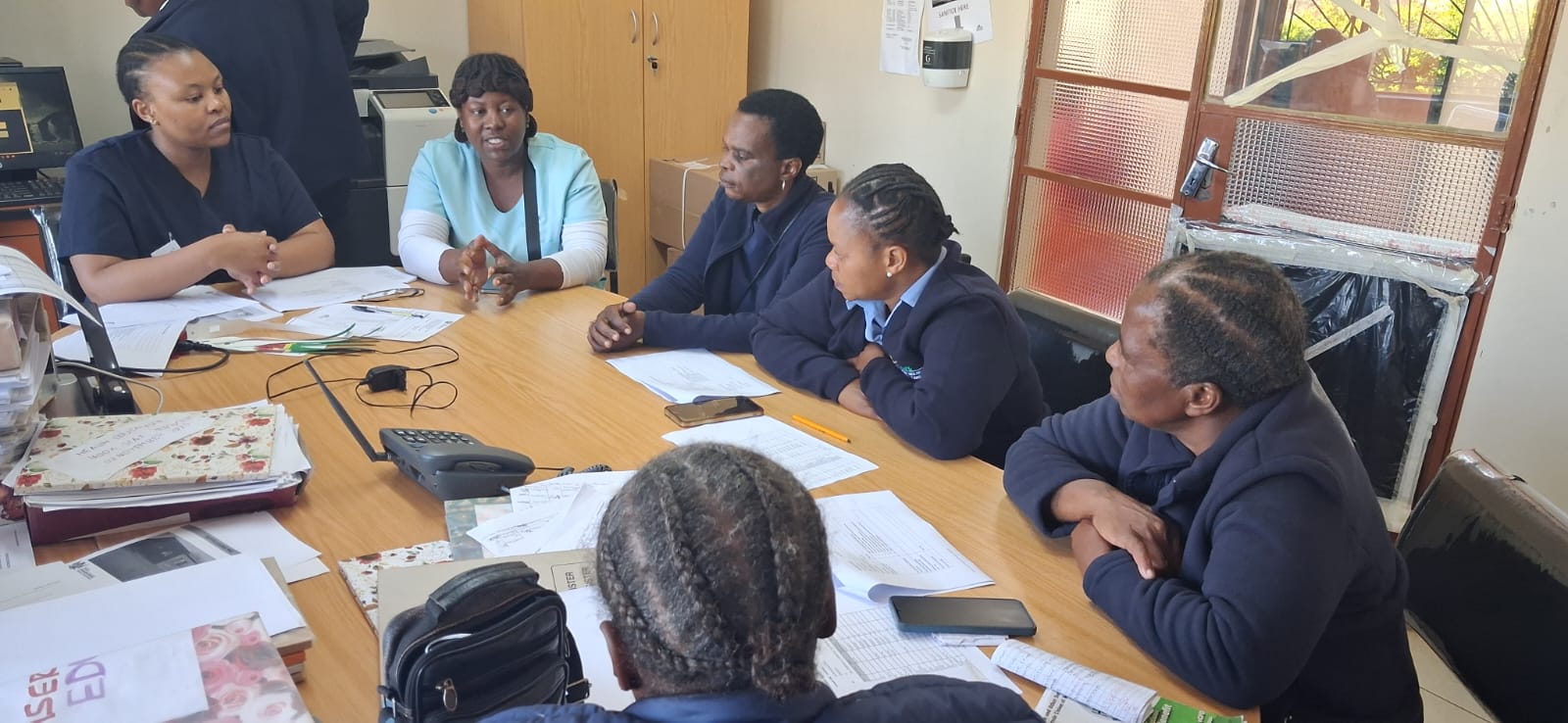
Taking Recovery Into the Community
When a child is discharged, hospital dietitians record their details in a dedicated register and share the information with Outreach Team Leaders. A local Community Health Worker (CHW) is then assigned to visit the household within seven days.
Using a standardised Tracking Card, the CHW assesses the child’s recovery, checks for danger signs and provides practical nutritional support to caregivers.
“By community health workers making frequent visits, it paints a bigger picture for us,” says Noxolo. “We can also support caregivers who often feel judged or fearful to fully disclose what the home situation is like.”
The project also strengthens CHWs’ ability to identify early signs of malnutrition before children deteriorate to the point of requiring hospital admission. New tracking records help the hospital distinguish between first-time admissions and readmissions more accurately.
Building a Stronger Continuum of Care
The initiative has gained support from Tintswalo Hospital, local clinics, Outreach Team Leaders and Community Health Workers.
“They are excited to be an extension of healthcare workers reaching where we couldn't reach,” says Noxolo.
For her, the long-term potential is much bigger.
“I may be dreaming big, but who knows, maybe this project will trickle down to other districts.”
The idea behind the project is simple: recovery should not end when a child leaves hospital. By connecting clinical teams with health workers already embedded in the community, the SAM Register Project is helping ensure care continues all the way home.
Noxolo Ngcobo
South African Dietitian
¹ Health Systems Trust. (2025). District Health Barometer 2024/25.